
Cost planning note: Construction and site-work figures on this page are unverified planning illustrations, not current local price data, bids or guaranteed outcomes. Obtain current written estimates for your specific parcel, scope and finish level. Verify any listed permit fees with the responsible authority. See our Disclaimer.
The Appeal of Off-Grid Living in the Hill Country
The Texas Hill Country was built by self-reliant people, and that spirit is alive and well among today’s barndominium owners. Whether you’re on a remote 50-acre tract in Real County or a 10-acre ranchette in Blanco County, living with some degree of self-sufficiency makes practical sense — and increasingly, financial sense too. Extended power outages after winter storms, drought-driven water restrictions, and rising utility rates are all pushing Hill Country barndominium owners toward greater energy and water independence. Here’s a practical guide to the systems that make it possible.
Solar Power: The Hill Country Advantage
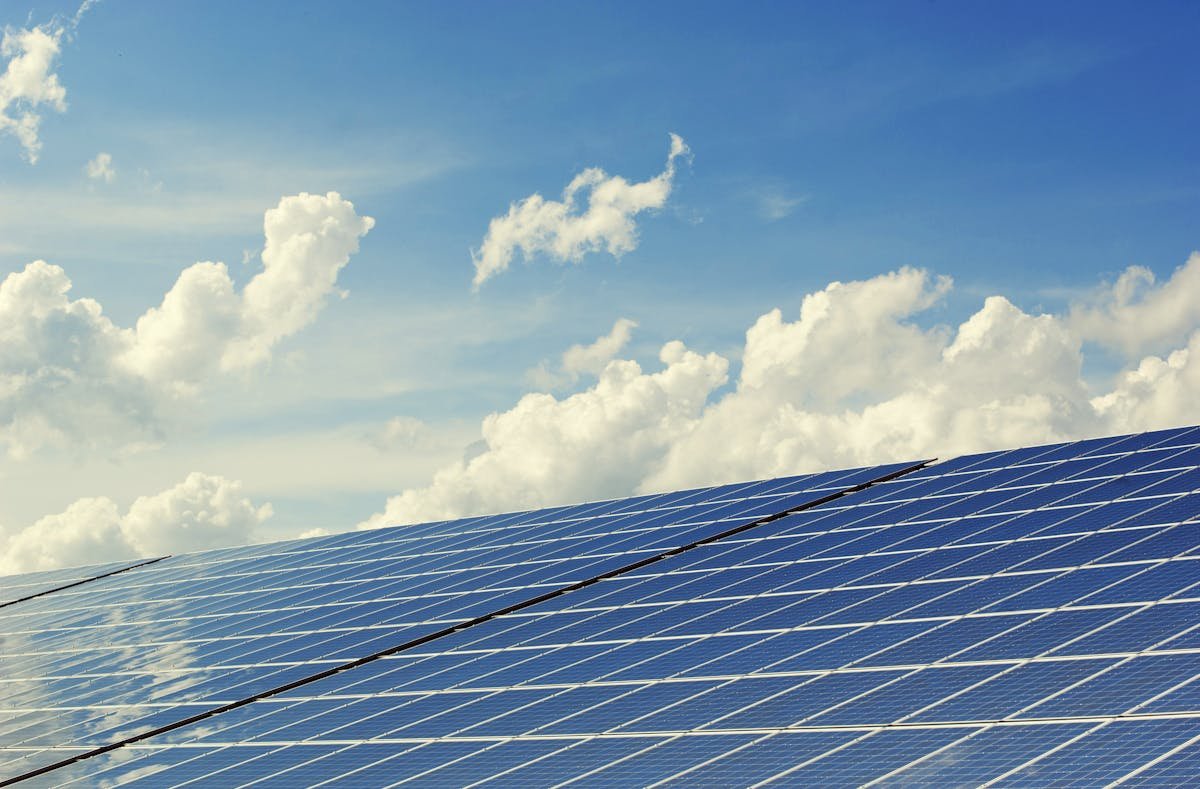
The Texas Hill Country receives among the best solar resources in the United States — typically 5.5–6.5 peak sun hours per day, compared to 4.0–4.5 in the Pacific Northwest or the Midwest. This makes solar a particularly strong investment for Hill Country barndominium owners. A standard standing seam metal roof is ideal for solar: panels are mounted with non-penetrating clamps, and the long, unobstructed roof planes common on barndominiums allow for large array sizes.
Request a site-specific solar and storage design based on electrical loads, usable roof area, shading, utility rules and the backup duration you need. Obtain current written equipment and installation quotes. Do not assume a system size or battery purchase guarantees whole-home coverage or multi-day autonomy. The IRS states that the Residential Clean Energy Credit is unavailable for property placed in service after December 31, 2025; verify your circumstances with a qualified tax professional. IRS credit guidance.
Battery Backup and Generators
Texas’s power grid (ERCOT) has shown vulnerability during extreme weather events — the February 2021 freeze being the most dramatic example. For Hill Country barndominium owners, backup power isn’t a luxury — it’s a necessity. Options include:
- Solar + battery: A properly sized solar-plus-battery system can power a barndominium through multi-day outages, especially during summer when solar generation is highest.
- Whole-house propane generator: A 20–22 kW standby generator (Generac, Kohler) on a 500-gallon or larger buried propane tank will power an entire barndominium indefinitely during outages. Cost: $8,000–$16,000 installed, plus propane storage.
- Dual-fuel generators: Portable or standby generators that run on both gasoline and propane provide flexibility when one fuel is unavailable.
Water Wells: Your Private Water Supply
Most rural Hill Country properties rely entirely on a private water well. The Edwards and Trinity aquifers underlie much of the region, providing good water quality and adequate yield for residential use in most areas. Key facts for barndominium owners:
- Well depth: Ranges from 100–200 ft in shallow Trinity-producing areas to 400–700 ft in areas requiring deeper drilling into the Edwards. Get local well depth data from the Texas Water Development Board’s well database (twdb.texas.gov) before purchasing land.
- Well yield: Most residential wells in the Hill Country produce 5–25 gallons per minute. A properly sized pressure tank and holding tank system can buffer lower-yield wells for household demand.
- Water quality: Hill Country groundwater is generally high quality but may have elevated hardness (calcium/magnesium), iron, hydrogen sulfide (rotten egg smell), or — in some areas — naturally occurring arsenic or radium. Always test your well water before use. A whole-house water softener and/or filtration system ($1,500–$8,000) is advisable.
- Rainwater harvesting: An increasingly popular supplement to well water. A 50×80 metal roof captures approximately 200–300 gallons per inch of rain. A 10,000–30,000 gallon cistern can store enough rainwater to supplement or replace well water for much of the year. Texas law (Rainwater Harvesting Act) actively encourages and protects residential rainwater collection.
Septic Systems: OSSF Options for the Hill Country
On-site sewage facilities (OSSF) are required for all homes not connected to a municipal sewer system — which is nearly every rural Hill Country barndominium. Texas TCEQ rules allow several system types:
- Conventional septic with drainfield: The most affordable option ($8,000–$15,000) but requires adequate soil depth over bedrock — often limited in the rocky Hill Country.
- Low-pressure dosing (LPD) system: Uses a pump to distribute effluent more evenly across a smaller drainfield. Better suited to shallower soils. $12,000–$18,000.
- Aerobic treatment unit (ATU): Required in many Hill Country counties, especially on smaller lots or near waterways. Treats effluent to a higher standard and allows surface spray disposal. $15,000–$25,000, plus ongoing annual maintenance contract ($300–$500/year).
Propane: The Rural Energy Backbone
Natural gas is unavailable in most rural Hill Country locations. Propane fills that role admirably — powering ranges, water heaters, dryers, backup generators, fireplaces, and whole-house heating systems. A buried 500-gallon or 1,000-gallon propane tank is the standard rural setup. Budget $3,000–$6,000 for the tank installation and gas line rough-in. Lock in propane prices each fall before peak demand; summer purchases are typically 20–30% cheaper than winter prices.
Internet Connectivity
High-speed internet has historically been the Achilles heel of rural Hill Country living. That’s changed dramatically with the rollout of SpaceX Starlink satellite broadband, which now covers the entire Hill Country with speeds of 100–300 Mbps — more than adequate for remote work, streaming, smart home devices, and security systems. The monthly cost (~$120–$150/month for residential service) is higher than urban fiber but far better than the DSL or cellular alternatives previously available. Fixed wireless broadband from local providers is also improving rapidly in some areas.
Leave a Reply