
The Texas Heat Challenge for Barndominium Owners
The Texas Hill Country is beautiful, but summers are brutal — temperatures regularly exceed 100°F from June through September, and high humidity rolls in from the Gulf during monsoon season. A barndominium’s metal shell, while durable, can become a heat trap without proper design and insulation. The good news: a well-built and thoughtfully designed barndo can be more energy-efficient than a conventional home. Here’s how to make it happen.
Insulation: The Single Most Important Energy Decision
Closed-cell spray polyurethane foam (ccSPF) is the gold standard for Texas barndominium insulation. Applied to the interior face of metal walls and the underside of the metal roof panels, closed-cell foam creates both an air barrier and a vapor retarder — critical in Texas’s hot, humid climate. A minimum of 2 inches on walls (R-13) and 3–4 inches on the roof deck (R-20 to R-26) is recommended; many energy-conscious barndo owners go thicker. Closed-cell foam also significantly stiffens the building structure and reduces noise transfer.
Open-cell foam and batt insulation are cheaper but less effective for metal building applications in Texas, as they don’t provide the air-sealing performance needed to combat the state’s extreme thermal loads. If budget is a concern, closed-cell foam on the roof deck is the highest priority, as radiant heat gain through the roof is the dominant cooling load in Texas.
Roof Color and Coating
Light-colored metal roofs reflect significantly more solar radiation than dark colors. Galvalume (silver-toned bare metal) and light tan, white, or light gray painted metal roofing can reduce cooling loads by 10–15% compared to dark bronze or charcoal roofs. Look for roofing panels with Kynar 500 or PVDF coatings and “cool roof” Energy Star ratings for the best reflectivity. In the Hill Country, standing seam metal roofing with cool-color finishes is both the most durable and the most energy-efficient choice.
HVAC: Sizing and System Selection
A properly insulated barndominium actually requires a smaller HVAC system than a comparable conventional home, because the tight spray foam envelope reduces infiltration dramatically. However, the open floor plans common in barndos create challenges for conventional ducted HVAC: moving conditioned air uniformly through a large, high-ceiling space takes careful duct design. Common approaches in Hill Country barndominiums include:
- Multi-zone mini-split systems: Highly efficient (SEER2 ratings of 18–30+), no ductwork, zone-by-zone control. Excellent for barndominiums where different areas are used at different times.
- Variable-speed central air: A central air handler with variable-speed blower and properly designed ductwork provides even temperature distribution in large open spaces.
- Geothermal heat pumps: The limestone terrain of the Hill Country can make geothermal drilling expensive, but where feasible, geothermal offers the highest efficiency of any system type.
Ceiling Fans and Air Circulation
In a barndominium with 16–20 ft ceilings, ceiling fans are essential — not just for comfort but to push down the warm air that stratifies at the ceiling and prevent your HVAC system from working harder than necessary. Install large-diameter (52″–72″) ceiling fans rated for high-ceiling use with extended downrods so the fan blade is 8–9 ft above the floor.
Windows and Doors
Windows are the weak link in any building envelope. For Hill Country barndominiums, specify double-pane or triple-pane low-E glass windows with thermally broken frames. Low-E coatings significantly reduce radiant heat gain from the intense Texas sun. Properly sized overhangs and covered porches on the south and west elevations shade windows during the summer without blocking winter sun — a passive solar strategy that costs little and saves significantly on cooling bills.
Solar Energy
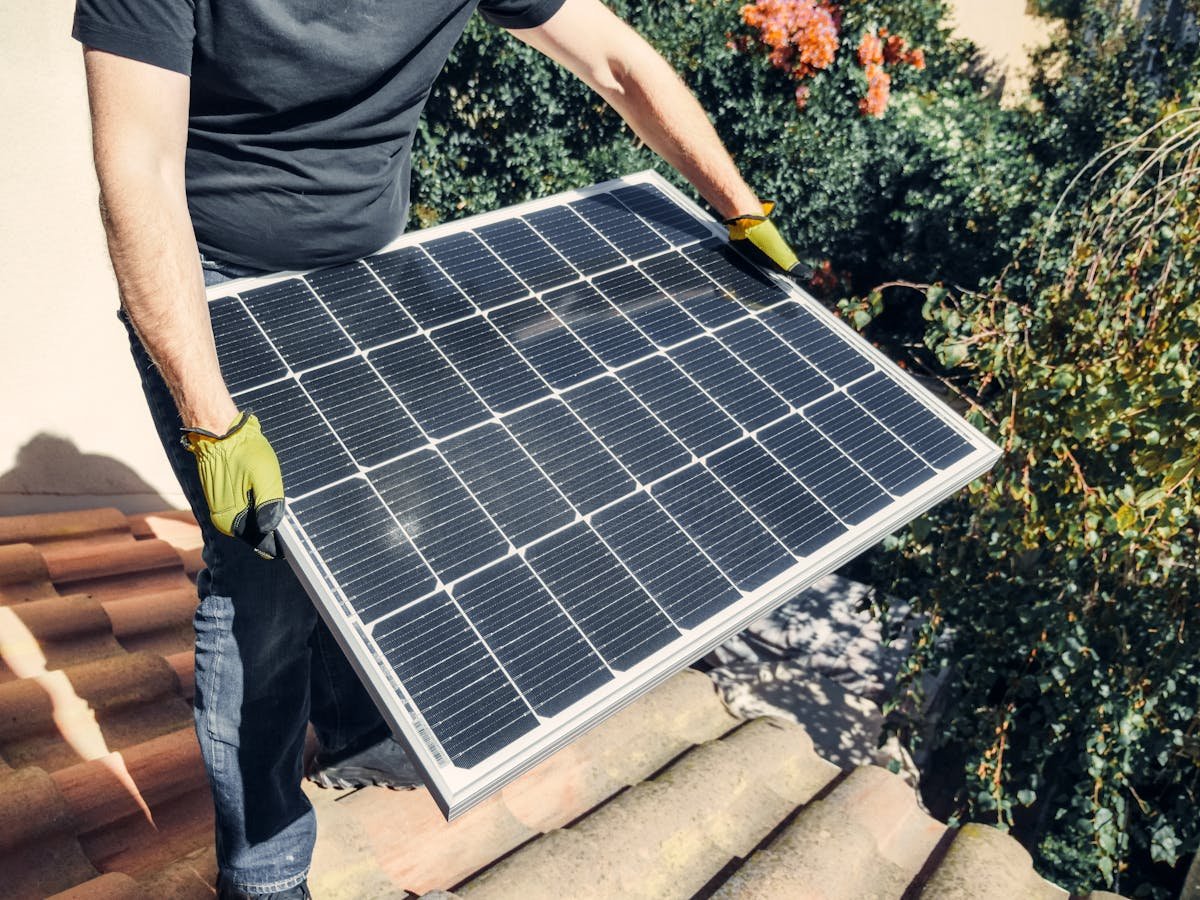
The Hill Country receives excellent solar irradiance — typically 5.5–6+ peak sun hours per day. A standing seam metal roof is ideal for solar panel installation because panels can be mounted with clamps that don’t penetrate the roof membrane, preserving the roof warranty. A 10–15 kW solar array (costing $25,000–$45,000 before incentives) can offset 80–100% of a typical barndominium’s electricity usage. The federal solar Investment Tax Credit (ITC) allows a 30% tax credit on solar installations through at least 2032, making solar financially attractive.
Propane vs. All-Electric
Many rural Hill Country barndominiums use propane for range cooking, water heating, and backup generators. With modern high-efficiency heat pump water heaters and all-electric cooking options, some barndo owners are going entirely electric — especially when paired with solar and battery backup. An all-electric home with solar can provide remarkable energy independence in the Hill Country, where extended power outages after ice storms or hurricanes are a real possibility.
Quick Energy Efficiency Checklist
- Minimum 2″ closed-cell spray foam on walls, 3–4″ on roof deck
- Cool-color metal roofing with Kynar coating
- Double-pane, low-E windows with thermally broken frames
- Covered porches or overhangs on south and west elevations
- Right-sized, high-efficiency HVAC with proper duct design or mini-splits
- Large ceiling fans on extended downrods
- Consider solar with battery backup for energy independence
Leave a Reply